
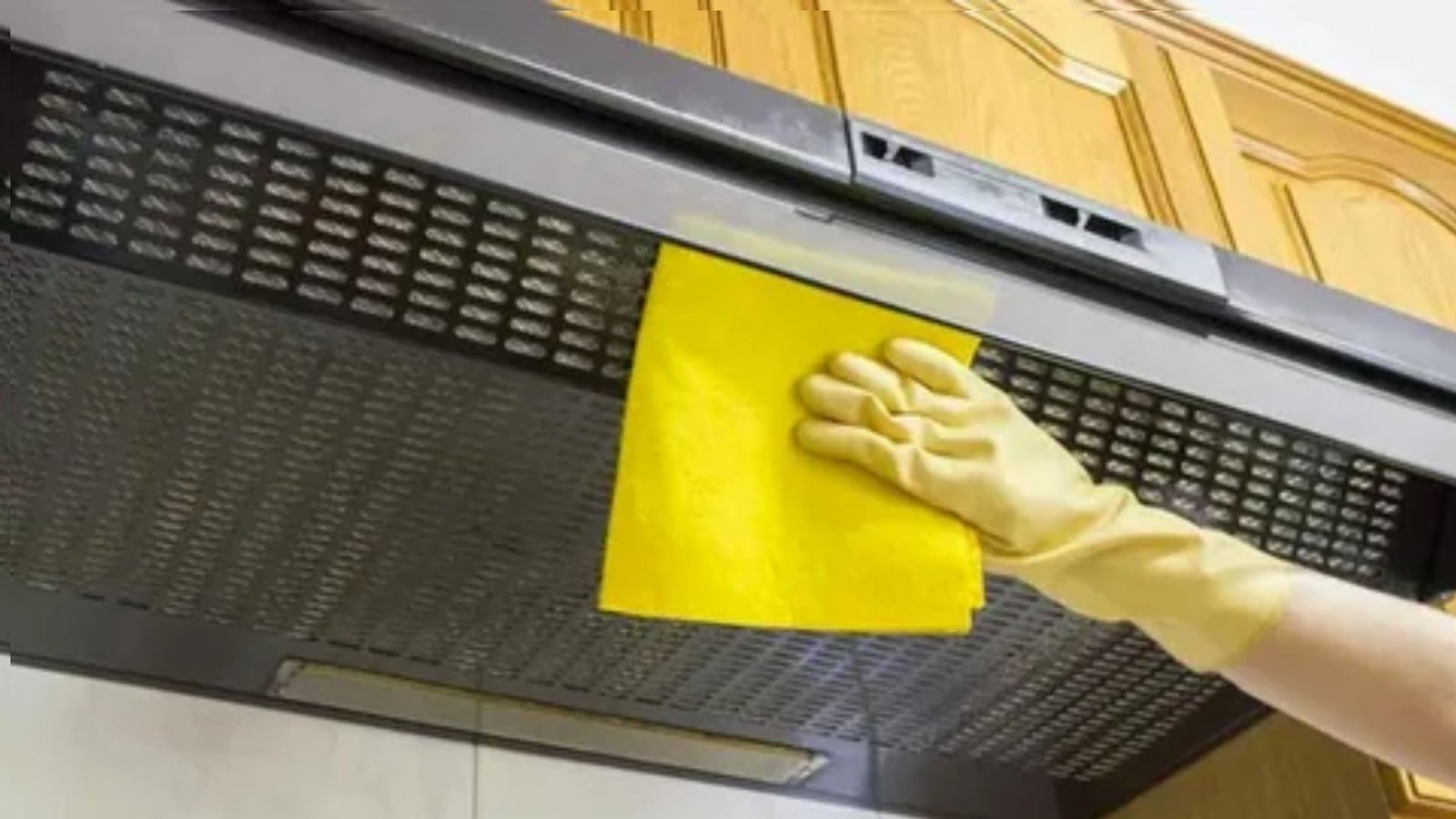
Clean rooms are vital environments where even the smallest contamination can disrupt sensitive operations. These spaces are essential in industries like healthcare, biotechnology, electronics, and pharmaceuticals. To maintain their integrity, regular maintenance performed by a skilled Hood Clean Room team is crucial. This blog explores why consistent upkeep is essential and the key tasks involved in ensuring a clean room operates effectively.
Maintenance By Hood Clean Room Team
What is Regular Maintenance
Regular Maintenance by Hood Clean Room Team involves scheduled tasks aimed at preserving the cleanliness, functionality, and compliance of the clean room. These activities include cleaning, inspections, repairs, and recalibration of equipment to ensure that the clean room continues to meet strict standards.
Maintenance is not just about cleaning surfaces; it encompasses monitoring airflow, maintaining filtration systems, and verifying equipment performance. Without regular attention, the environment can quickly degrade, leading to operational disruptions and regulatory non-compliance.
For a deeper understanding of the individuals responsible for clean room maintenance, check out our blog on Key Roles in a Hood Clean Room Team: Who Does What?. It highlights the essential roles and responsibilities that keep clean rooms contamination-free and fully operational
Benefits of Regular Maintenance
Prevents Contamination
Contamination is the primary concern in clean rooms. Dust, airborne particles, and microbial contaminants can compromise sensitive operations. Regular maintenance ensures:
- HEPA and ULPA filters are functioning correctly.
- Surfaces and equipment are sanitized effectively.
- Airflow systems are balanced to prevent particle accumulation.
Extends Equipment Lifespan
Clean rooms house specialized equipment that requires proper care to function optimally. Regular maintenance helps:
- Detect and repair minor issues before they become major problems.
- Reduce wear and tear on critical machinery.
- Ensure calibration of instruments for precise performance.
Ensures Compliance with Regulations
Industries using clean rooms are subject to strict regulations, such as ISO 14644 standards. Regular maintenance:
- Keeps the clean room within required cleanliness levels.
- Provides documentation to demonstrate compliance during audits.
- Reduces the risk of costly penalties or shutdowns.
Improves Operational Efficiency
A well-maintained clean room operates smoothly, ensuring uninterrupted workflows. Key improvements include:
- Consistent performance of air filtration systems.
- Fewer unexpected breakdowns or equipment malfunctions.
- Optimal conditions for production or testing processes.
Key Maintenance Tasks for a Hood Clean Room Team
Cleaning and Sanitization
Daily cleaning protocols are the foundation of clean room maintenance. These tasks include:
- Wiping down surfaces with approved cleaning agents.
- Vacuuming floors using specialized equipment.
- Sanitizing tools and equipment after use.
Monitoring Airflow and Filtration Systems
Air quality is a critical component of clean room functionality. Maintenance involves:
- Testing and replacing HEPA or ULPA filters as needed.
- Ensuring proper airflow to prevent particle build-up.
- Calibrating air handling systems to meet specifications.
Equipment Inspection and Repair
Regular inspections ensure all machinery operates at peak performance. The team focuses on:
- Identifying signs of wear or damage.
- Recalibrating sensitive instruments.
- Repairing or replacing faulty components promptly.
Documentation and Reporting
Proper record-keeping is essential for regulatory compliance and tracking maintenance efforts. Tasks include:
- Logging cleaning schedules and inspection results.
- Documenting repairs and filter replacements.
- Providing reports for internal audits and external inspections.
Challenges in Maintaining a Clean Room
Maintaining a clean room is a complex task that requires expertise and precision. Common challenges include:
- Adhering to evolving industry standards.
- Managing unexpected equipment failures.
- Balancing cost efficiency with maintenance frequency.
A skilled hood clean room team is essential to address these challenges effectively, ensuring the clean room remains operational and compliant.
Conclusion
Regular maintenance by a hood clean room team is the cornerstone of clean room operations. It prevents contamination, extends equipment lifespan, ensures regulatory compliance, and improves overall efficiency. Without consistent upkeep, the integrity of the clean room is at risk, potentially compromising sensitive operations.
At Paper and Homes, we bring you trendy blogs related to home improvement and maintenance. Explore our content for insights and tips to create safe and efficient spaces!