
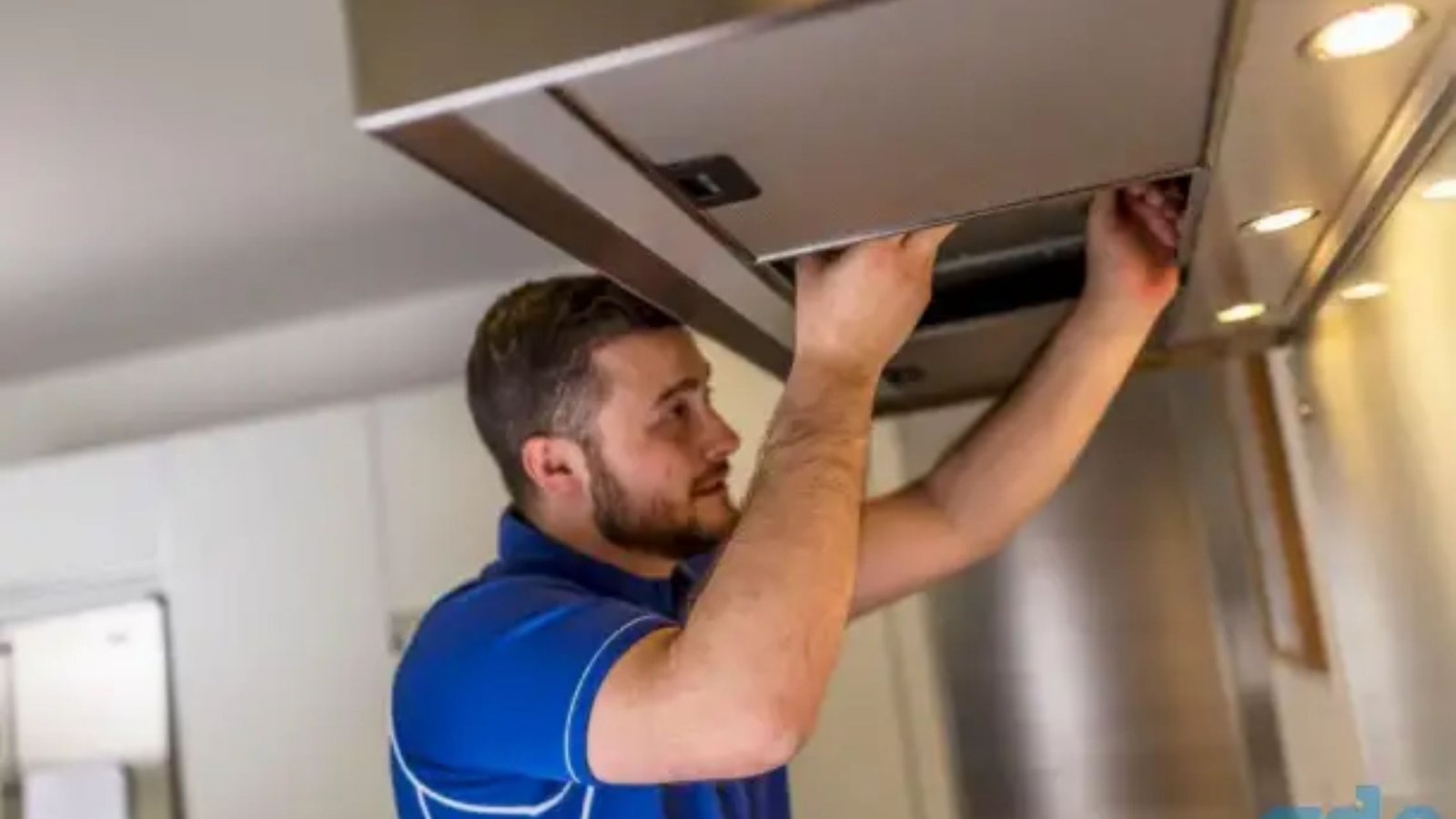
Hood clean room teams operate in high-stakes environments where precision and efficiency are paramount. While their work is crucial for maintaining the cleanliness and safety of clean rooms, they encounter several challenges that require innovative solutions and expertise. From technical obstacles to compliance issues, these challenges can significantly impact the effectiveness of their work if not addressed properly.
Common Challenges Faced by Hood Clean Room team
Stubborn Grease and Contaminant Build-Up
One of the most frequent challenges hood clean room teams encounter is the removal of stubborn grease and contaminant build-up. This is especially prevalent in environments like commercial kitchens and manufacturing facilities where hoods are exposed to heavy usage.
How They Overcome It:
- Teams utilize specialized tools such as high-pressure washers and eco-friendly degreasers to break down grease effectively without damaging the equipment.
- Steam cleaning is employed to sanitize and remove residues in a non-invasive manner.
- For hard-to-reach areas, ultrasonic cleaners are used to ensure a thorough clean without manual scrubbing.
By combining these advanced techniques, professionals can tackle even the most persistent build-up with ease. Explore the key roles and responsibilities of professionals Hood clean room team.
Limited Access to Hood Components
Hood systems often have intricate designs with components located in tight or inaccessible spaces. Cleaning such areas can be difficult without the right tools and expertise.
How They Overcome It:
- Disassembly techniques are used to remove components like filters, ducts, and grease traps for individual cleaning.
- Flexible tools, such as telescopic wands and angled nozzles, are employed to reach hidden areas.
- Teams rely on HEPA-filtered vacuums to extract loose particles from confined spaces, ensuring no debris is left behind.
This meticulous approach ensures that every part of the hood system is cleaned, no matter how challenging the access may be.
Adhering to Strict Regulatory Standards
Hood clean room teams must comply with stringent regulations, such as OSHA, NFPA, and ISO standards. Non-compliance can lead to fines, safety risks, and compromised air quality.
How They Overcome It:
- Teams stay updated on the latest regulations through continuous training and certifications.
- Comprehensive checklists are followed to ensure every aspect of the cleaning process meets industry standards.
- Post-cleaning inspections are conducted to verify compliance and maintain documentation for audits.
By adhering to these practices, teams not only meet regulatory requirements but also maintain the trust of their clients.
Time Constraints in Operational Environments
In industries like healthcare, food services, and manufacturing, downtime for cleaning can disrupt operations and result in financial losses. Hood clean room teams are often under pressure to complete their work quickly without compromising quality.
How They Overcome It:
- Teams use efficient tools like high-capacity pressure washers and quick-drying cleaning agents to reduce downtime.
- Cleaning schedules are tailored to the client’s operational needs, often performed during off-peak hours.
- Advanced techniques, such as dry ice blasting, are employed for moisture-sensitive environments, allowing immediate resumption of operations.
This focus on efficiency ensures minimal disruption while maintaining high cleaning standards.
Managing Environmental Impact
The use of harsh chemicals and excessive water in hood cleaning can negatively affect the environment. Clients are increasingly seeking eco-friendly solutions.
Find out how regular maintenance ensures the longevity and efficiency of your hood system in our blog
How They Overcome It:
- Biodegradable cleaning agents are used to minimize environmental harm.
- Water usage is optimized through advanced tools like steam cleaners, which require minimal water for effective cleaning.
- Waste disposal is handled responsibly, adhering to environmental regulations.
These sustainable practices not only reduce environmental impact but also align with the values of eco-conscious clients.
Handling Delicate and Sensitive Equipment
Certain industries, such as pharmaceuticals and electronics, require the cleaning of highly sensitive equipment that cannot withstand abrasive methods or moisture.
How They Overcome It:
- Non-abrasive techniques, such as dry ice blasting and ultrasonic cleaning, are used to clean delicate components without causing damage.
- Teams are trained to handle sensitive equipment with precision and care.
- Specialized tools, like low-pressure HEPA vacuums, are employed to prevent any disturbance to the clean room environment.
This expertise ensures that even the most delicate equipment is cleaned safely and effectively.
Consistent Training and Skill Development
The field of hood clean room maintenance evolves rapidly with advancements in technology and changes in regulations. Keeping teams updated is a constant challenge.
Discover the advance tools and methods that ensures effective cleaning
How They Overcome It:
- Regular training programs and workshops are conducted to enhance skills and knowledge.
- Teams are encouraged to obtain industry-recognized certifications to stay competitive.
- Real-world scenarios and simulations are used to prepare teams for unique challenges they may encounter on-site.
By investing in continuous education, teams maintain a high level of professionalism and adaptability.
Conclusion
Hood clean room teams face a variety of challenges, from stubborn grease build-up to stringent regulatory compliance. However, their dedication, use of advanced tools, and innovative techniques enable them to overcome these obstacles effectively. By maintaining high standards and prioritizing continuous learning, these teams ensure the safety, cleanliness, and efficiency of clean room environments.
At Paper and Homes, we offer valuable insights and resources to help you understand the intricacies of clean room maintenance. Explore our collection of trendy blogs on home improvement and discover how professional services can make a difference.