
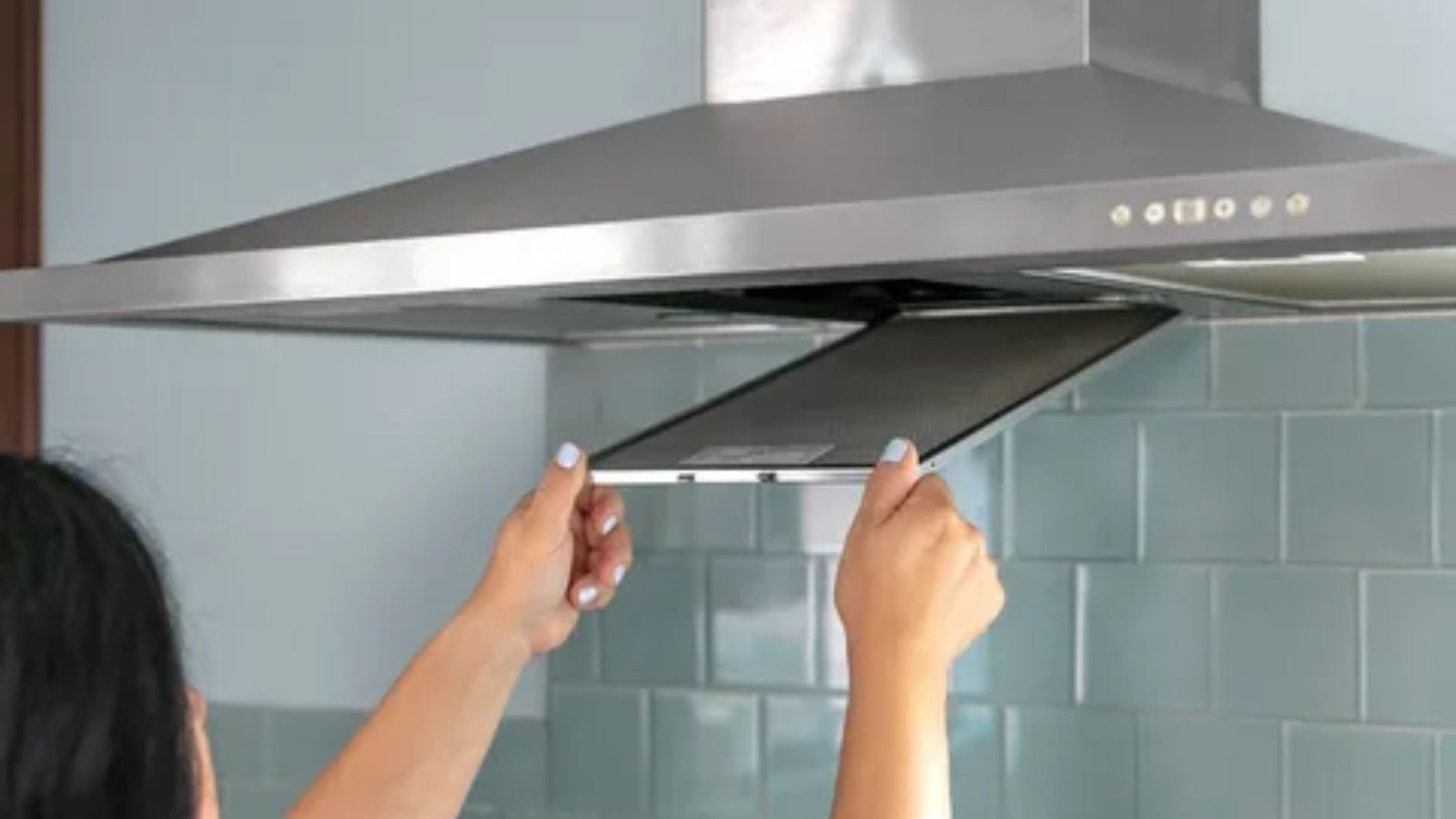
Adhering to strict hood cleaning standards is essential for maintaining a safe, compliant, and efficient clean room environment. Hood systems play a pivotal role in air quality management and contamination control, making their regular cleaning and maintenance crucial for industries like healthcare, manufacturing, and food services.
Why Hood Cleaning Standards Matter
Meeting hood cleaning standards is not just about cleanliness it’s about ensuring safety, operational efficiency, and compliance with regulatory bodies such as OSHA, NFPA, and ISO. These standards minimize risks such as:
- Fire Hazards: Grease build-up in hood systems can ignite, posing severe safety threats.
- Air Quality Issues: Contaminated hoods compromise clean room air circulation and filtration.
- Regulatory Penalties: Failure to comply with cleaning standards can result in fines or shutdowns.
Key Standards for Hood Cleaning
OSHA Standards
The Occupational Safety and Health Administration (OSHA) mandates regular hood cleaning to ensure workplace safety. Key requirements include:
- Ensuring hoods are free of grease and contaminants.
- Maintaining proper ventilation to prevent hazardous fumes.
- Documenting all cleaning activities for compliance.
NFPA Guidelines
The National Fire Protection Association (NFPA) focuses on minimizing fire risks. NFPA 96, specifically, outlines standards for cleaning commercial kitchen exhaust systems:
- Hoods should be cleaned at intervals based on use.
- Proper disposal of grease and debris is mandatory.
- Post-cleaning inspections are required to ensure compliance.
ISO Standards
ISO standards are crucial for industries like pharmaceuticals and electronics. These standards emphasize:
- Maintaining controlled environments to prevent contamination.
- Using approved cleaning agents and techniques.
- Ensuring proper documentation for audits.
Discover how various factors influence cleaning costs and why professional services are worth the investment.
Step-by-Step Hood Cleaning Checklist
Pre-Cleaning Inspection
- Assess the hood system for grease build-up, contamination, and damage.
- Verify that all components, including filters and ducts, are accessible.
- Document the condition of the system before cleaning.
Degreasing and Cleaning
- Use eco-friendly cleaning agents to break down grease and grime.
- Employ tools like pressure washers and steam cleaners for thorough cleaning.
- Pay special attention to hard-to-reach areas, using flexible tools as needed.
Component Disassembly and Cleaning
- Remove filters, grease traps, and ducts for separate cleaning.
- Clean intricate components using ultrasonic or dry ice cleaning techniques.
- Reassemble components after ensuring they are dry and sanitized.
Post-Cleaning Inspection
- Conduct a final inspection to verify the removal of all grease and contaminants.
- Check that the system is fully operational and compliant with standards.
- Provide documentation for the cleaning process, including photos and checklists.
Best Practices for Maintaining Compliance
Schedule Regular Cleaning
Set up a cleaning schedule based on usage and industry requirements. Learn more about the importance of routine maintenance in Maintenance by a Hood Clean Room Team.
Use Certified Professionals
- Hire trained and certified teams to ensure compliance with all standards. Discover the expertise needed in Key Roles in a Hood Clean Room Team: Who Does What?.
Implement Eco-Friendly Practices
- Opt for biodegradable cleaning agents and proper waste disposal methods to minimize environmental impact. Check out the tools used in Top Tools and Techniques Used by Hood Clean Room Teams.
Document Cleaning Activities
- Maintain detailed records of all cleaning activities, including dates, methods, and team certifications. This ensures readiness for audits and inspections.
Common Challenges in Meeting Standards
Adhering to hood cleaning standards can be challenging, especially in complex or heavily used systems.
- Limited access to intricate components.
- Persistent grease build-up requiring advanced techniques.
- Keeping up with changing regulations.
Explore how professionals overcome these obstacles in Common Challenges Faced by Hood Clean Room Teams.
Conclusion
Adhering to hood cleaning standards is non-negotiable for industries that rely on clean room environments. By following a comprehensive cleaning checklist and working with certified professionals, businesses can ensure safety, compliance, and efficiency. From reducing fire risks to maintaining air quality, meeting these standards is essential for long-term operational success.
At Paper and Homes, we provide insights and resources to help businesses navigate the complexities of hood cleaning and maintenance. Explore our blogs for practical tips and expert advice on achieving excellence in clean room operations.