


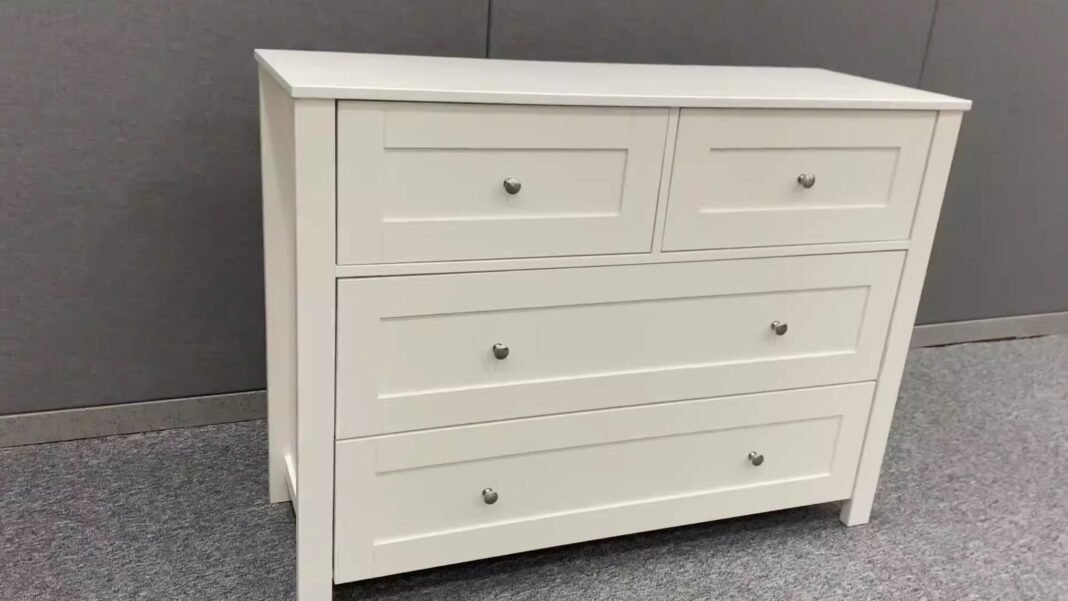
Selecting the perfect dresser for your child’s room is an essential decision that goes beyond aesthetics. A well-chosen dresser provides ample storage, complements the room’s decor, and ensures safety for your little one. With numerous options available, understanding the key factors can make your choice easier and more informed.
Kids Dresser
Consider the Size and Storage Needs
One of the first aspects to consider when selecting a kids’ dresser is its size and storage capacity. A dresser should be spacious enough to hold your child’s clothes, toys, and accessories but not so large that it overwhelms the room.
- Room Size: Ensure the dresser fits comfortably in the room without making it feel cramped.
- Number of Drawers: More drawers mean better organization. A 4-drawer dresser is a great option for a balance between space efficiency and storage.
- Multi-Purpose Use: Consider dressers with a changing table on top for infants or those that can double as a study surface later on.
- For a great example, check out this guide on choosing the perfect kids’ dresser to help you find the right balance between size and functionality. If you’re looking for a reliable and stylish dresser, this resource provides insights into some of the best options available.
Material and Durability
The material of the dresser plays a crucial role in its durability and maintenance. Kids are naturally active, so investing in a sturdy dresser is a must.
- Solid Wood vs. Engineered Wood: Solid wood dressers tend to last longer and withstand rough handling better, but they can be expensive. Engineered wood dressers offer an affordable alternative with decent durability.
- Eco-Friendly Materials: Many parents prefer dressers made from sustainable and non-toxic materials to ensure a healthier living environment for their children.
- Scratch and Stain Resistance: Opt for finishes that resist stains and scratches to keep the dresser looking new for years.
Safety Features
Safety should always be a top priority when choosing furniture for children. Dressers can pose risks if not designed with child safety in mind.
- Anti-Tip Features: Look for a dresser with anti-tip hardware to prevent accidents.
- Smooth Edges: Sharp corners can be dangerous for young children, so opt for dressers with rounded edges.
- Drawer Stoppers: These prevent drawers from being pulled out completely, reducing the risk of injuries.
- Non-Toxic Finishes: Ensure that the paint or finish used is non-toxic and free from harmful chemicals.
Style and Aesthetic Appeal
A dresser should blend well with the existing room decor while also being functional. Whether you prefer a classic, modern, or whimsical design, there are various styles available to match your preferences.
- Neutral Colors vs. Bold Designs: Neutral-colored dressers offer versatility and can grow with your child, while themed dressers can add a fun touch.
- Matching Other Furniture: Consider how the dresser complements other pieces like beds, desks, and bookshelves.
- Customization Options: Some dressers allow for personalization with knobs, decals, or painted details, making them unique to your child’s space.
Ease of Organization
Keeping a child’s room organized can be challenging, but the right dresser can make all the difference. A well-designed dresser should help in maintaining a tidy space.
- Drawer Dividers: These help in separating different clothing items and accessories.
- Labeling: If your child is old enough, labeled drawers can encourage them to put things back in their place.
- Multi-Compartment Dressers: Some dressers come with additional storage features like open shelves for books and toys.
To maximize organization, check out this guide on organizing your child’s room with a 4-drawer dresser for helpful tips and strategies.
Long-Term Usability
While choosing a dresser, consider how long it will serve your child’s needs. Investing in a dresser that can transition from a toddler’s room to a teenager’s room is a smart move.
- Convertible Designs: Some dressers are designed to adapt to different age groups.
- Timeless Appeal: A classic design in neutral colors ensures that the dresser remains stylish as your child grows.
- Quality Hardware: Drawers with smooth gliding tracks and durable handles increase the lifespan of the dresser.
Conclusion
Finding the right dresser for your child involves balancing functionality, safety, and aesthetics. By considering storage needs, material quality, safety features, and long-term usability, you can make a well-informed choice. Whether you’re looking for a compact dresser for a small space or a multi-functional piece that grows with your child, making the right selection will contribute to an organized and stylish room.
At Paper and Homes, we provide trendy blogs related to home improvement to help you make the best furniture choices. Stay updated with our latest insights for a well-designed and functional home.

