


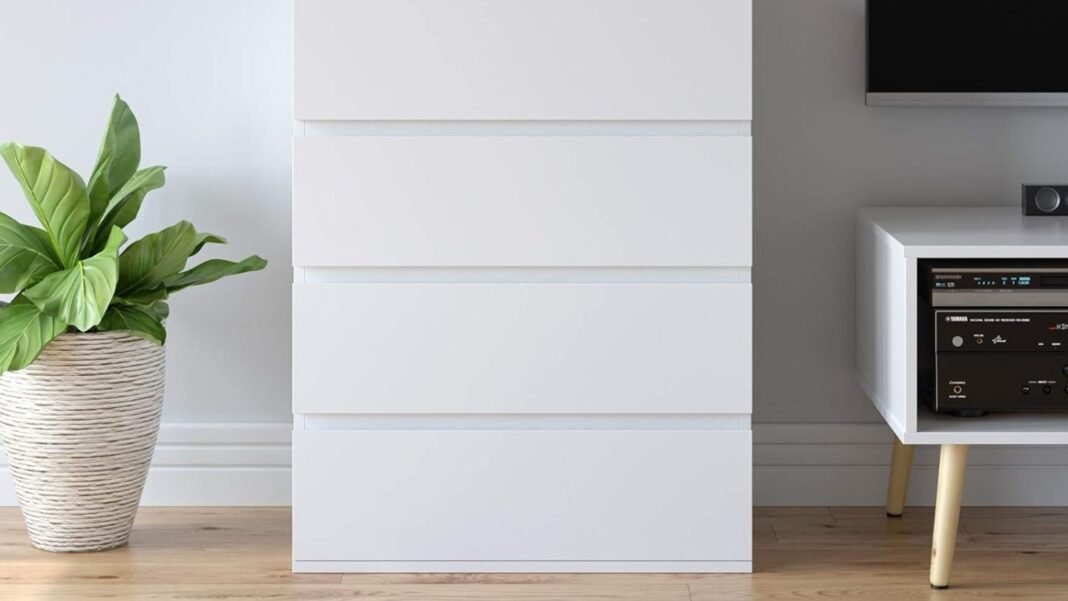
A child’s room can be a place of creativity, learning, and relaxation. However, without proper organization, it can also become a cluttered space filled with scattered toys, clothes, books, and accessories. One of the best ways to maintain an orderly and aesthetically pleasing room is by using a 4-drawer dresser. This versatile storage unit provides enough space for your child’s belongings while keeping everything within reach.
Why Choose a 4-Drawer Dresser for Your Child’s Room?
A 4-drawer dresser is an excellent storage solution for kids’ rooms because it provides:
- Sufficient Storage Space: Four drawers offer ample room for different categories of items, including clothes, toys, and accessories.
- Space-Saving Design: Unlike bulky wardrobes, a compact dresser fits into smaller spaces without overwhelming the room.
- Child-Friendly Organization: Lower drawers are easily accessible for kids, encouraging independence and responsibility.
- Aesthetic Versatility: Available in various finishes and styles, a dresser can complement any room décor.
A well-organized dresser makes it easier to find and store items, reducing morning chaos and ensuring your child’s room stays neat. If you’re looking for guidance on selecting the best kids’ dresser, check out Choosing the Perfect Kids’ Dresser: Hampshire White Wood 4-Drawer Kids Dresser and More, which offers insights into different styles, materials, and features.
Step-by-Step Guide to Organizing a 4-Drawer Dresser
Declutter and Categorize
The first step in organizing any space is decluttering. Go through your child’s belongings and separate items into the following categories:
- Keep: Everyday clothing, frequently used toys, and essential accessories.
- Donate: Clothes that no longer fit and toys that your child has outgrown.
- Store: Seasonal clothing and keepsakes that aren’t used regularly.
This process ensures that only useful and necessary items make their way into the dresser.
Assign a Purpose to Each Drawer
A structured storage system helps maintain organization. Assign a specific category to each drawer to avoid clutter buildup. Here’s a recommended layout:
- Top Drawer: Everyday essentials (underwear, socks, pajamas).
- Second Drawer: T-shirts, tops, and casual wear.
- Third Drawer: Bottoms (pants, shorts, leggings, skirts).
- Bottom Drawer: Seasonal wear, special occasion outfits, or spare bedding.
Use Drawer Dividers
Drawer dividers are useful for keeping smaller items neatly arranged. These organizers can prevent socks, ties, and small accessories from becoming a tangled mess.
Some great divider options include:
- Fabric storage bins for separating categories.
- Adjustable plastic dividers for creating sections.
- DIY cardboard dividers for a budget-friendly solution.
Label Each Drawer
For younger children, labeling each drawer helps them understand where items belong. Use words, pictures, or both to create easy-to-read labels. For example, a drawer labeled “Socks & Underwear” with an icon of socks will visually reinforce the storage system.
Rotate Seasonal Items
To prevent overcrowding, rotate clothes based on the season. Store off-season clothing in vacuum-sealed bags or bins under the bed. During winter, keep summer clothes in storage, and vice versa.
Incorporate a Toy Drawer
If your child’s room lacks toy storage, reserve one of the drawers for small toys. Organize items using:
- Storage pouches for building blocks or action figures.
- Plastic bins for puzzles and board games.
- Zipper bags for craft supplies.
By creating designated spots for toys, you can minimize clutter while keeping the dresser functional.
Keep an Extra Drawer for Miscellaneous Items
Children often accumulate miscellaneous items such as school supplies, small keepsakes, or art materials. Having an extra drawer dedicated to these can keep their room neat.
Pro tip: Use small storage boxes inside the drawer to separate different items.
Encourage Your Child to Participate
An organized space is more likely to stay neat if your child is involved in the process. Teach them how to fold clothes properly and explain where each item belongs. Creating an engaging system encourages them to put things back in their designated spots.
Additional Storage Tips for a Tidy Kids’ Room
Beyond organizing the dresser, consider these additional storage solutions to maximize space and maintain order:
Utilize Vertical Space
- Install floating shelves to store books, décor, or collectibles.
- Hang wall hooks for backpacks, jackets, and hats.
- Use an over-the-door organizer for small accessories and shoes.
Invest in Multi-Functional Furniture
- Beds with built-in drawers can provide additional storage.
- A storage bench doubles as seating and a place to store toys.
- A cube organizer with bins can hold books, stuffed animals, and art supplies.
Implement a Daily Clean-Up Routine
Encourage your child to spend five minutes each evening tidying up their room. Small habits, like placing clothes back in drawers and toys in bins, prevent clutter from accumulating.
Keep Frequently Used Items Accessible
Ensure that daily essentials are stored in easily reachable drawers. Lower drawers should contain items your child can access independently, while upper drawers can store less frequently used belongings.
Use Color-Coding for Multiple Kids
If siblings share a dresser, use color-coded bins or labels to designate whose belongings go in which drawer. This method reduces confusion and ensures each child has their personal space.
Common Mistakes to Avoid
Overfilling Drawers
Cramming too many items into drawers makes them difficult to close and leads to disorganization. Stick to a manageable amount and rotate clothing seasonally.
Skipping Regular Maintenance
Organization isn’t a one-time task. Set aside time every few months to review and adjust the storage system.
Using Deep Drawers Without Organizers
Deep drawers without dividers can become a jumbled mess. Use storage containers or baskets to separate categories and keep everything accessible.
Ignoring Child Accessibility
If the storage system is too complicated, children may struggle to maintain it. Simplify the setup with clear labels, open-top bins, and easy-to-reach storage areas.
Conclusion
A 4-drawer dresser is a simple yet highly effective solution for keeping your child’s room neat and organized. By categorizing items, using dividers, and establishing routines, you can create a functional storage system that your child can maintain independently.
At Paper and Homes, we provide trendy blogs on home improvement, offering practical storage tips and creative organization ideas for every space. By incorporating smart storage solutions and daily habits, you can ensure that your child’s room remains an inviting, functional, and clutter-free space.

