


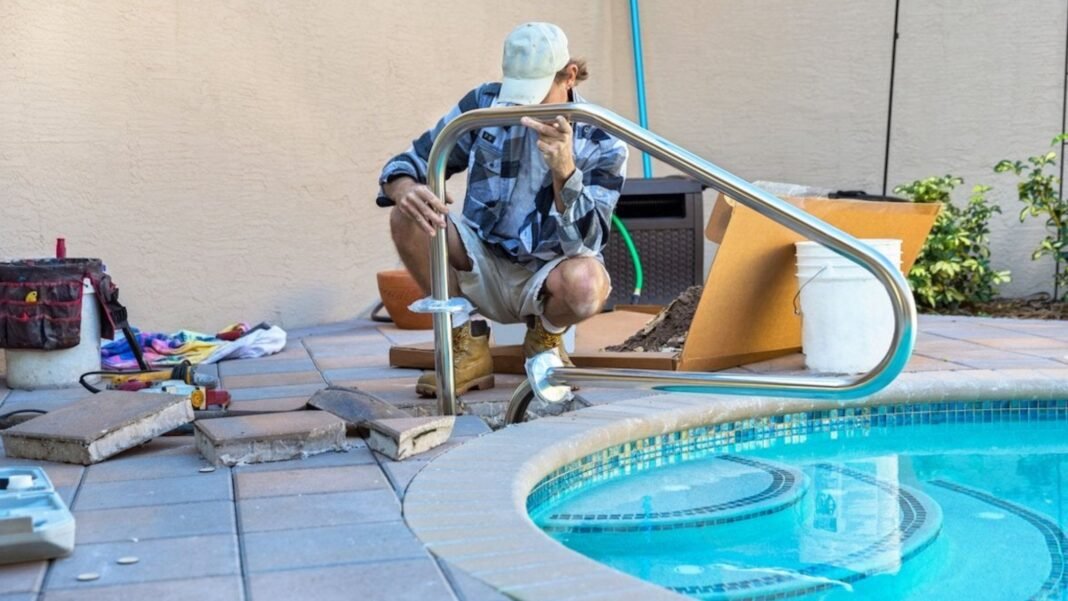
Over time, swimming pools develop cracks, stains, and rough textures that make them look outdated and unsafe. If your pool is showing signs of wear, resurfacing is one of the best ways to restore its beauty and functionality. In this guide, we’ll break down the best pool resurfacing materials, their pros and cons, and the cost of resurfacing a swimming pool in 2025.
Resurfacing Swimming Pools
Before choosing a resurfacing material, it’s important to determine whether your pool actually needs it. Some common signs include:
Rough Texture – The surface feels harsh on your feet.
Stains & Discoloration – Minerals, chemicals, and algae cause stubborn stains.
Cracks & Chips – Small cracks can lead to bigger structural problems.
Leaks & Water Loss – A deteriorating surface can cause leaks.
If your pool is experiencing any of these issues, resurfacing is a cost-effective way to extend its lifespan.
Best Pool Resurfacing Materials & Their Costs
There are several materials to choose from when resurfacing your pool. Each has its own durability, maintenance needs, and price range.
Plaster (Standard White or Colored Plaster)
Pros:
- Most affordable option.
- Provides a smooth, classic pool finish.
- Works well for both residential and commercial pools.
Cons:
- Prone to staining and chipping over time.
- Requires more frequent resurfacing (every 7-10 years).
Cost: $4,000 – $7,000 for an average-sized pool.
Pebble Finish (PebbleTec, PebbleSheen, etc.)
Pros:
- Extremely durable, lasting 15-20 years.
- Resistant to chemical wear and stains.
- Adds a natural, high-end look to the pool.
Cons:
- More expensive than plaster.
- The texture can feel rougher on bare feet.
Cost: $7,000 – $15,000 for a standard pool.
Fiberglass Pool Resurfacing
Pros:
- Creates a smooth, non-porous surface that prevents algae growth.
- More chemical-resistant than plaster or pebble finishes.
- Long lifespan (15+ years).
Cons:
- More expensive than traditional plaster resurfacing.
- Limited customization options compared to other materials.
Cost: $10,000 – $20,000 for fiberglass resurfacing.
Glass Tile Finish
Pros:
- Luxurious and eye-catching design.
- Highly durable (lasts 20+ years).
- Easy to clean and resistant to stains.
Cons:
- Most expensive resurfacing option.
- Installation is labor-intensive.
Cost: $20,000 – $50,000 for a full glass tile resurfacing.
Get a complete cost breakdown here: How Much Does Swimming Pool Remodeling Cost in 2025?
How to Save Money on Pool Resurfacing
Choose the Right Time – Off-season resurfacing (fall/winter) can lower costs.
Compare Quotes – Get at least three estimates from different contractors.
Consider Partial Resurfacing – If only certain areas are damaged, spot repairs can save thousands.
Maintain Your Pool Properly – Regular cleaning and water balancing extend the lifespan of resurfacing materials.
How Long Does Pool Resurfacing Take?
- Plaster: 3-5 days
- Pebble Finish: 5-7 days
- Fiberglass: 7-10 days
- Glass Tile: 10-14 days
It’s best to plan resurfacing during off-season months when you won’t be using your pool as frequently.
Is Resurfacing Worth It?
Absolutely! A fresh pool surface improves aesthetics, safety, and durability while boosting property value. If you’re considering other upgrades like LED lighting, a new deck, or a swim-up bar, explore these 10 Swimming Pool Remodeling Ideas for a Modern Backyard for inspiration.
Conclusion
Pool resurfacing is an essential investment for any homeowner looking to enhance the appearance, safety, and longevity of their pool. Whether you opt for budget-friendly plaster or a luxurious glass tile finish, choosing the right material ensures a beautiful and durable swimming pool for years to come.
At Paper and Homes, we bring you the latest home improvement trends, expert remodeling guides, and innovative design ideas to help you create the perfect space. Stay tuned for more insights!

