


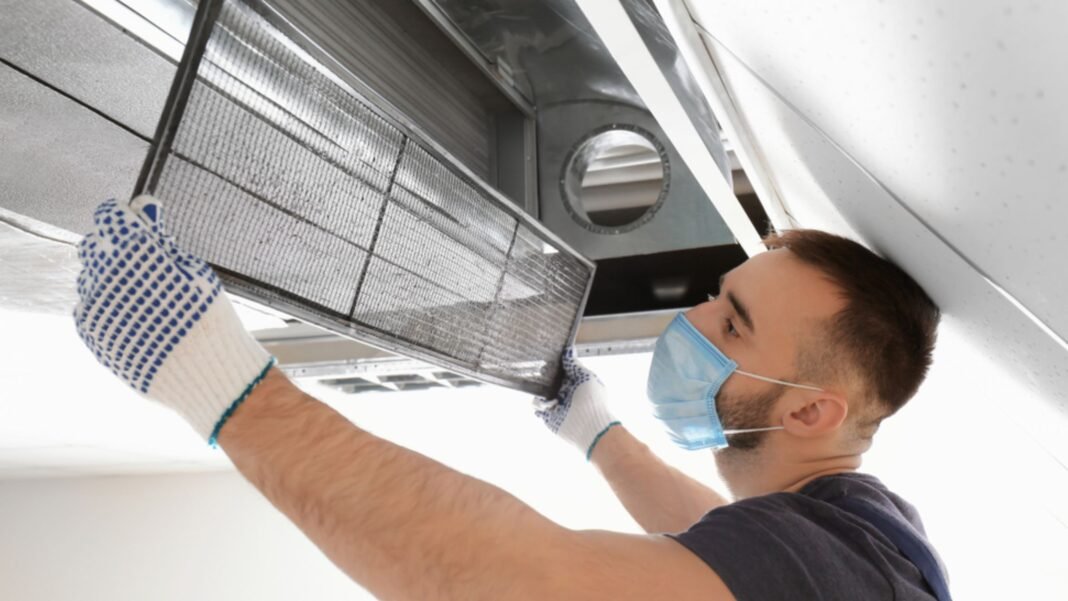
Maintaining a clean room environment requires precision and expertise, especially when it comes to hood cleaning. Hood systems are critical for ensuring proper air filtration and removing contaminants, making them an essential part of industries like healthcare, manufacturing, and food services. Professional hood clean room teams utilize advanced tools and techniques to deliver effective cleaning while adhering to strict regulatory standards.
Tools and Techniques used by hood Clean Room Team
The Importance of Professional Hood Cleaning
Professional hood cleaning is more than a routine task; it is vital for maintaining the integrity and safety of clean room environments. Hoods play a crucial role in air quality management, ensuring that contaminants are effectively filtered and removed from the environment. Dirty or improperly maintained hoods can lead to severe consequences, including compromised air circulation, contamination risks, and even fire hazards. By engaging professional hood clean room teams, businesses ensure that their systems are thoroughly cleaned, inspected, and compliant with industry standards such as OSHA, ISO, and NFPA regulations.
For instance, a hospital clean room relies heavily on the efficiency of its hood system to maintain sterile conditions. Without regular professional cleaning, the system could accumulate grease, dust, or other particles that jeopardize air quality and patient safety. This highlights the critical role of professional teams in ensuring operational efficiency and regulatory compliance.
Regular maintenance is key to ensuring the efficiency and longevity of your hood systems. Learn how professional teams manage upkeep and stay compliant with industry standards in our blog on Maintenance by a Hood Clean Room Team.
Essential Tools for Hood Cleaning
When it comes to hood cleaning, professional teams utilize a range of advanced tools designed for effective and precise cleaning.
HEPA Filtration Systems
HEPA filtration systems are renowned for their ability to capture even the smallest airborne particles. HEPA filters trap contaminants as small as 0.3 microns, ensuring that the air remains clean and free from harmful particulates during the cleaning process. These systems are especially important in industries like pharmaceuticals, where maintaining a sterile environment is paramount.
Pressure Washers
Pressure washers deliver high-pressure water jets to break down stubborn grease and grime. This tool is particularly effective for cleaning hood surfaces that are exposed to frequent use in industrial kitchens or manufacturing facilities. Pressure washers save time while providing a level of cleanliness that manual scrubbing simply cannot achieve.
Eco-Friendly Cleaning Agents
Eco-friendly cleaning agents play a pivotal role in professional hood cleaning. These biodegradable solutions are specifically formulated to dissolve grease, dirt, and other contaminants without releasing harmful fumes or residues. By using these products, hood clean room teams ensure a safe and environmentally responsible cleaning process that protects both workers and the equipment being cleaned.
Steam and Ultrasonic Cleaners
Steam cleaners use high-temperature steam to sanitize and remove contaminants from sensitive surfaces. Ultrasonic cleaners are ideal for intricate parts like filters and nozzles, using sound waves to remove dirt and debris. These tools enhance the overall effectiveness of the cleaning process, ensuring that even hard-to-reach areas are thoroughly cleaned.
Proven Hood Cleaning Techniques
The success of hood cleaning lies not only in the tools used but also in the techniques applied.
Two-Step Cleaning Process
The two-step cleaning process begins with degreasing, where eco-friendly cleaning agents are applied to break down grease and residues on the hood surfaces. Once the degreasing process is complete, the team rinses and sanitizes the surfaces using high-pressure washers or steam cleaners. This ensures that both visible and invisible contaminants are removed, leaving the hood system spotless and safe.
Disassembly for Deep Cleaning
For more complex systems, disassembly is often required. By removing components such as filters, ducts, and grease traps, teams gain access to hidden areas where contaminants often accumulate. This approach allows for a deeper clean, ensuring that every part of the system functions efficiently. After cleaning, these components are carefully reassembled, and the system is tested to confirm its performance.
HEPA Vacuuming
HEPA vacuuming involves the use of HEPA-filtered vacuums to remove loose particles and debris from the hood system. This step is particularly important during the initial stages of cleaning, as it prevents re-contamination of the clean room environment.
Dry Ice Blasting
For moisture-sensitive environments, dry ice blasting is a preferred technique. This innovative method uses dry ice pellets to remove contaminants without leaving any residue. It is highly effective for cleaning surfaces in electronics or pharmaceutical clean rooms, where the presence of moisture can pose significant risks.
Routine Maintenance and Inspection
Routine maintenance and inspection are integral to the cleaning process. Professional teams schedule regular cleaning sessions and inspections to identify potential issues before they escalate. This proactive approach not only prevents buildup but also ensures the hood system operates efficiently over time.
Advantages of Professional Hood Cleaning
Engaging professional hood clean room teams offers numerous benefits. Advanced tools and techniques allow for a thorough and efficient cleaning process, ensuring that all contaminants are removed. This not only protects the clean room environment but also extends the lifespan of the hood system.
Compliance with regulatory standards is another critical advantage. By adhering to OSHA, ISO, and NFPA guidelines, professional teams help businesses avoid penalties and maintain their reputation in highly regulated industries. Additionally, eco-friendly practices minimize environmental impact, reflecting a commitment to sustainability.
The blog has been updated to include a reference to the article Key Roles in a Hood Clean Room Team: Who Does What?
Conclusion
Hood clean room teams are indispensable for maintaining the cleanliness and safety of clean room environments. By employing advanced tools like HEPA filtration systems, pressure washers, and ultrasonic cleaners, along with proven techniques such as two-step cleaning and dry ice blasting, these teams ensure optimal performance and compliance with industry standards. Investing in professional services not only safeguards your business but also enhances operational efficiency and longevity.
At Paper and Homes, we provide all the trendy blogs related to home improvement to help you stay informed and ahead of the curve.

